
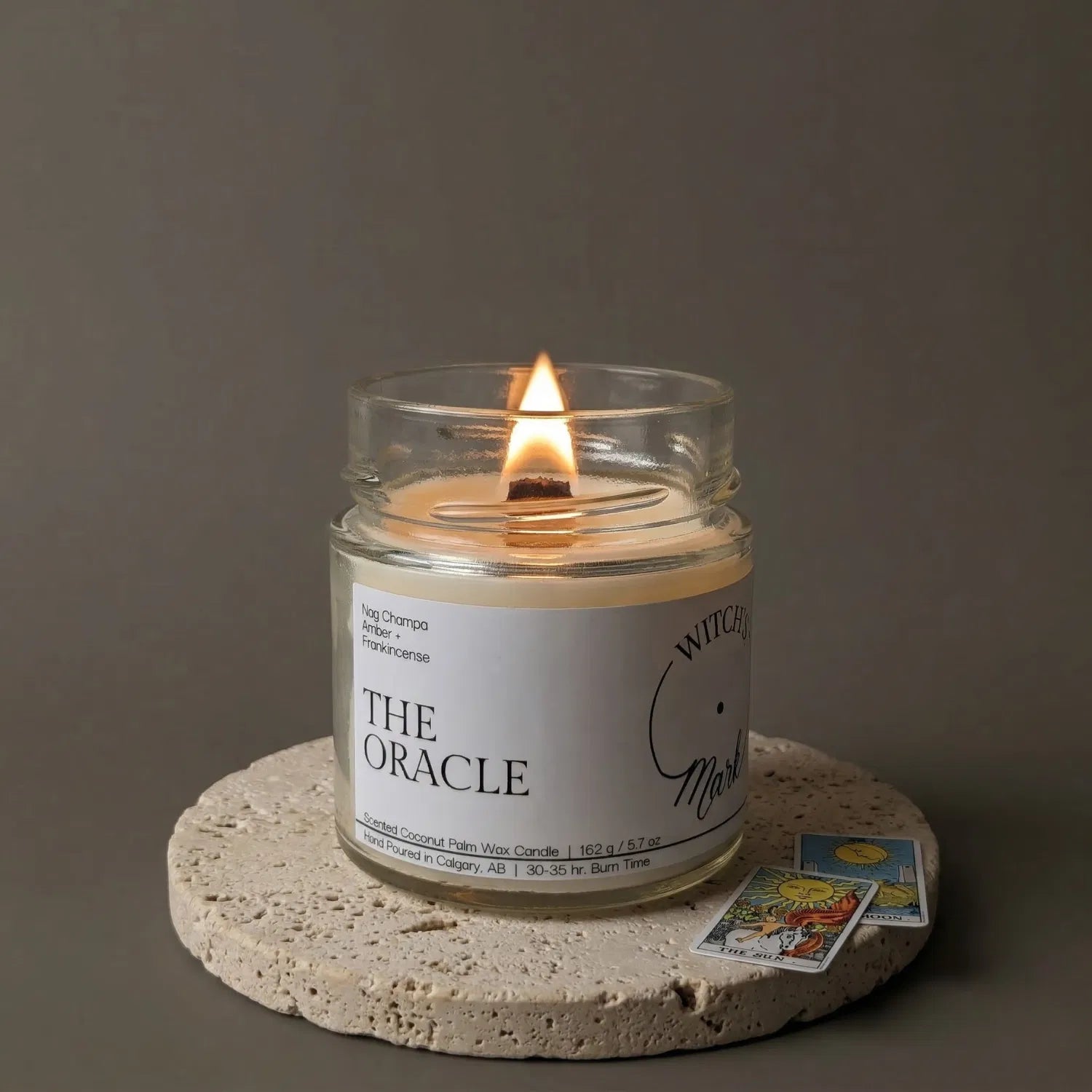

Scent Throw 101: How to Get the Best Fragrance Out of Your Candles
Have you ever lit a candle expecting a room-filling aroma, only to find the scent barely reaches past the jar? Or perhaps you’ve noticed that some candles smell incredible right when you open them, but lose their fragrance halfway through burning?
In the world of candle making, fragrance distribution is known as scent throw. Understanding how scent throw works—and how natural waxes like coconut wax behave differently—can completely transform your candle-burning experience.
Here is everything you need to know about candle scent throw, plus four practical tips to maximize the fragrance in your space.

Understanding Scent Throw: Cold vs. Hot
Candle makers categorize scent throw into two distinct phases:
-
Cold Throw: The intensity of the candle’s fragrance when it is sitting at room temperature, unlit.
-
Hot Throw: The strength and distribution of the fragrance as the candle burns and the wax pool melts.
Paraffin wax candles often have an aggressive cold throw because petroleum-based waxes release fragrance quickly. However, natural waxes like coconut wax melt at a lower temperature and burn cleaner, allowing the fragrance oils to disperse gradually, evenly, and without chemical undertones.
4 Simple Ways to Maximize Your Candle’s Scent
1. Give the Melt Pool Time to Form
Fragrance doesn't come directly from the burning wick—it comes from the liquid pool of warm, melted wax. To get a strong hot throw, allow your candle to burn until the melted wax reaches all the way to the edges of the jar (usually 2 to 3 hours). If you blow out the candle too early, the scent won't have enough surface area to fill the room.
2. Match Candle Size to Room Size
Candle size directly impacts scent performance. A single 5.7 oz candle is designed for cozy, intimate spaces like bathrooms, small bedrooms, or office nooks. For larger open-concept spaces like living rooms or kitchens, opt for an 8.6 oz candle or place two smaller candles on opposite sides of the room for even scent distribution.
3. Protect Your Candle from Drafts
Air currents from ceiling fans, open windows, or HVAC vents disrupt the candle’s flame and melt pool. Drafts cause the flame to flicker rapidly, burning off fragrance oils too quickly or blowing the scent away before it can diffuse properly. Keep your candle in a still area of the room for a steady, aromatic burn.
4. Trim Your Wick Before Every Burn
A long or mushroomed wick produces a high, smoky flame that burns too hot. When wax gets too hot too fast, it scorches the fragrance oils instead of gently diffusing them. Always trim your wick to 1/4 inch before relighting to ensure a soft, controlled flame that warms the fragrance gradually.
Experience the Coconut Wax Difference
Hand-poured coconut wax burns cooler and cleaner, delivering a smooth, authentic fragrance from the first light to the very end of the jar. Explore our collection of Classic & Essential Oil Coconut Wax Candles to find your next signature scent.


